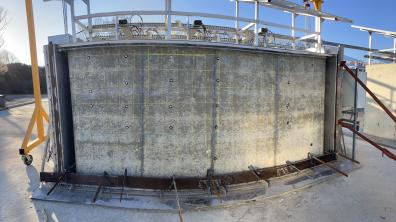
ODOBA project
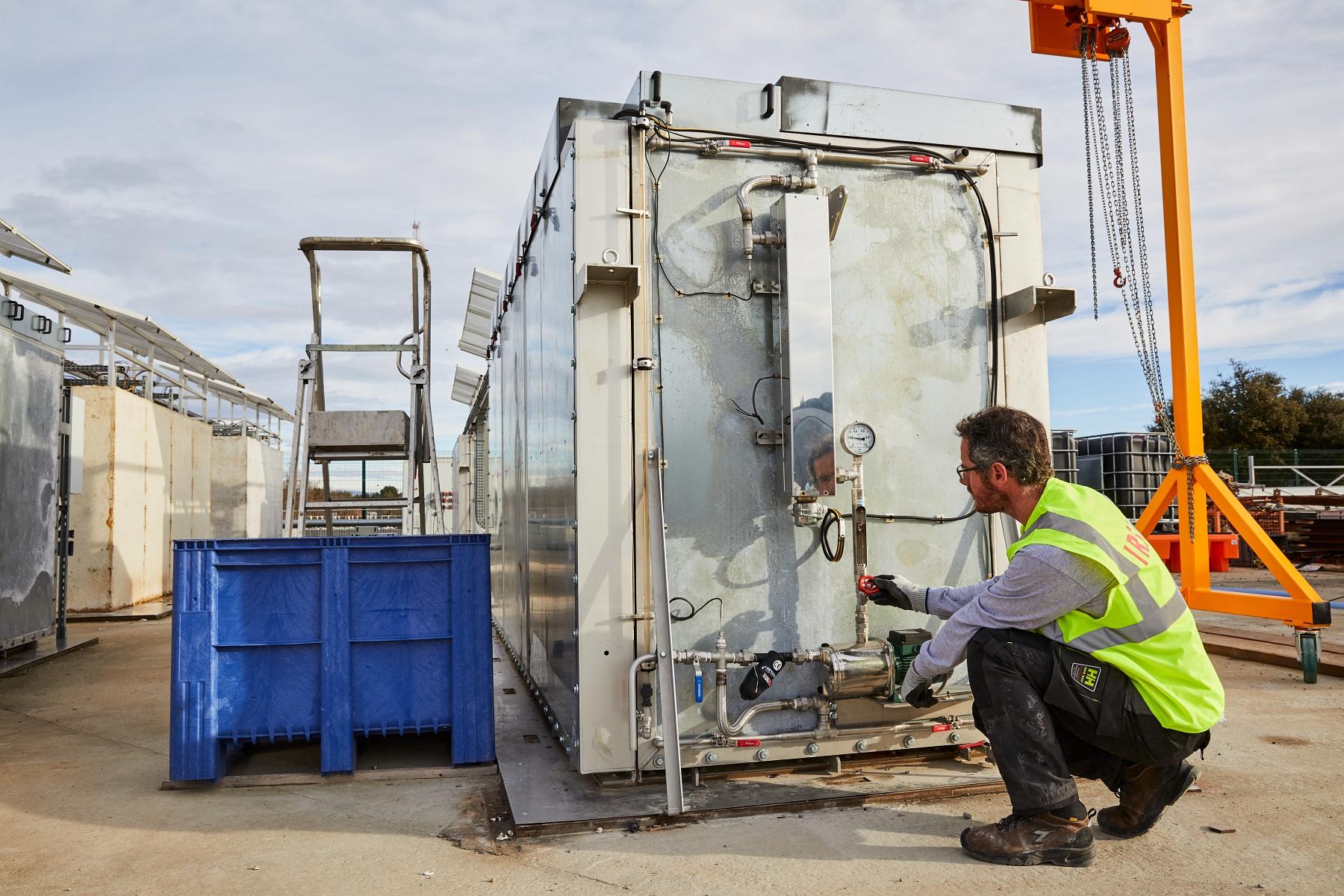
Understanding the long-term ageing of concrete structures is a key challenge for the lifetime extension of nuclear power plants and the development of long-lived radioactive waste disposal facilities. To address these issues, IRSN launched the ODOBA project (Observatory for the Durability of Reinforced Concrete Structures) in 2016.
The programme focuses on Internal Swelling Reactions (ISR), including Alkali-Silica Reaction (ASR) and Delayed Ettringite Formation (DEF), which can affect the durability and performance of reinforced concrete structures. Combining large-scale experiments, monitoring techniques and numerical modelling, ODOBA aims to improve understanding of these degradation mechanisms and support the development of predictive tools for nuclear civil engineering structures.
The project is conducted in collaboration with international partners, including the U.S. Nuclear Regulatory Commission (NRC, nuclear safety authority ), the Canadian Nuclear Safety Commission (CNSC), Bel V (Technical and Scientific Support Organization of Belgium) and VTT (Technical Research Centre of Finland).
Context and Objectives
Nuclear reactors were initially designed to operate for 40 years, but operators, such as EDF, would like to extend their service life up to 60 years, and some operators in the United States are even considering up to 80 years.
New nuclear installations are generally designed for operating lifetimes of at least 60 years, such as the Flamanville EPR, while facilities such as the CIGÉO deep geological repository are intended to perform their safety functions over much longer periods, where concrete plays a safety and functional role throughout the operating and reversibility phase.
Over such operating periods, concrete can be affected with pathologies resulting from the chemical reactions that take place within it. These pathologies may lead to degradation of the concrete’s mechanical properties and its ability to ensure the containment of radioactive materials.
Such phenomena have not only been observed on civil engineering structures (bridges, dams) but also in nuclear facilities: Gentilly-2 in Canada, Seabrook in the United States, Tihange-2 in Belgium, etc. The potential occurrence of such degradation mechanisms in the French nuclear fleet is considered sufficiently credible to justify dedicated research programmes, including the ODOBA project.
In 2014 and 2015, the OECD /NEA1 commissioned the ASCET2 working group to assess the extent of knowledge on concrete pathologies and express the needs for improving this knowledge which amounts to: performing tests on large structures in order to complement the tests usually carried out in small laboratories; studying the combined effects between various pathologies; developing non-destructive testing methods and predictive digital tools, etc.
The objectives of the ODOBA project are to meet the following recommendations:
- Better understand the phenomena involved in concrete pathologies and the combinations between the various pathologies;
- Develop and validate non-destructive testing techniques for early detection of the occurrence of pathologies then monitor their evolution;
- Develop and validate simulation tools for predicting concrete behavior on the structural scale.
1 Organisation for economic co-operation and development/Nuclear energy agency
2 Assessment of structures subject to concrete pathologies
Project workflow
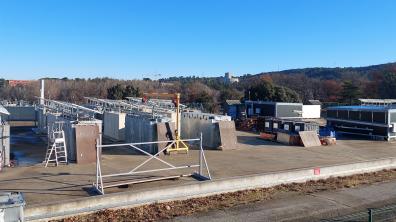
The ODOBA project mainly involves conducting experiments on large concrete structures (4 x 2 x 1 m3) in outdoor condition on ODE facility (Observatoire de la Durabilité des Enceintes - Containment durability observatory), located in Cadarache (Bouches-du-Rhône).
Specific investigations have been defined to address aging-related issues linked to the ISR, focusing on four main research axes:
-
Scale effects by comparing the initiation and development of the pathology at the large scale (concrete blocks with 1 m thickness) versus small scale (concrete cylinders).
-
Reinforcement impact (passive confinement) by comparing reinforced and non-reinforced blocks.
-
Effect of the accelerated aging protocol by comparing naturally and accelerated aging concrete blocks. The accelerated ageing protocols are to experimentally simulate long operating periods within reasonable time scales (2-3 years).
-
Assessment of non-destructive experimental techniques (NDT or NDE) to detect ISR initiation and monitor its development and consequences in concrete structures.
Compiling and analysing the results of the experimental work carried out in the ODOBA project will develop an ISR database. This database will help enhance the understanding of these pathologies at different scales and support the development, calibration and validation of predictive models at a structural level.
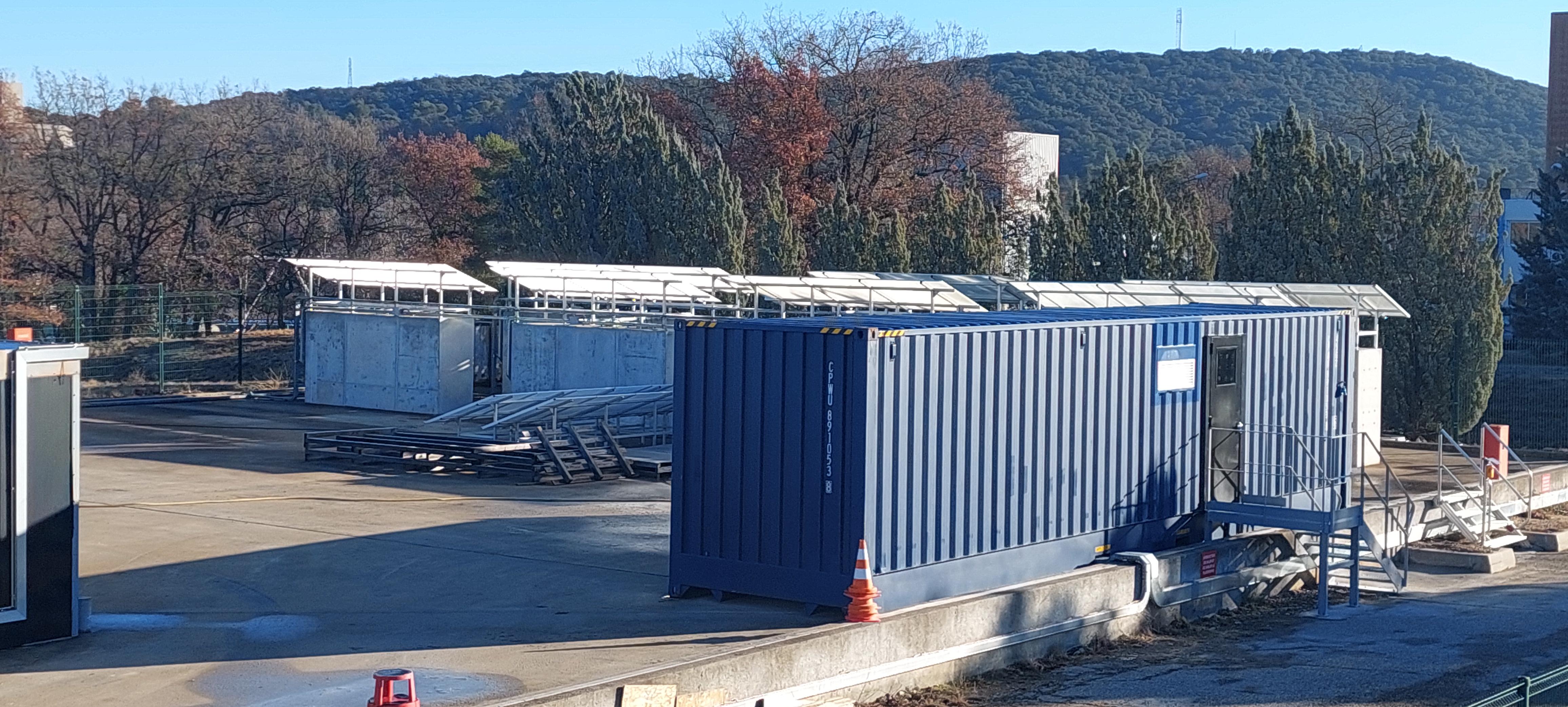
The ODE facility consists of a 1700 m² outdoor testing area capable of accommodating up to 50 experimental blocks. It includes:
- Accelerated the ageing of metric scale specimens as specific ageing pool around the blocks to carry out immersion/drying cycles controlling the temperature and chemistry of the water;
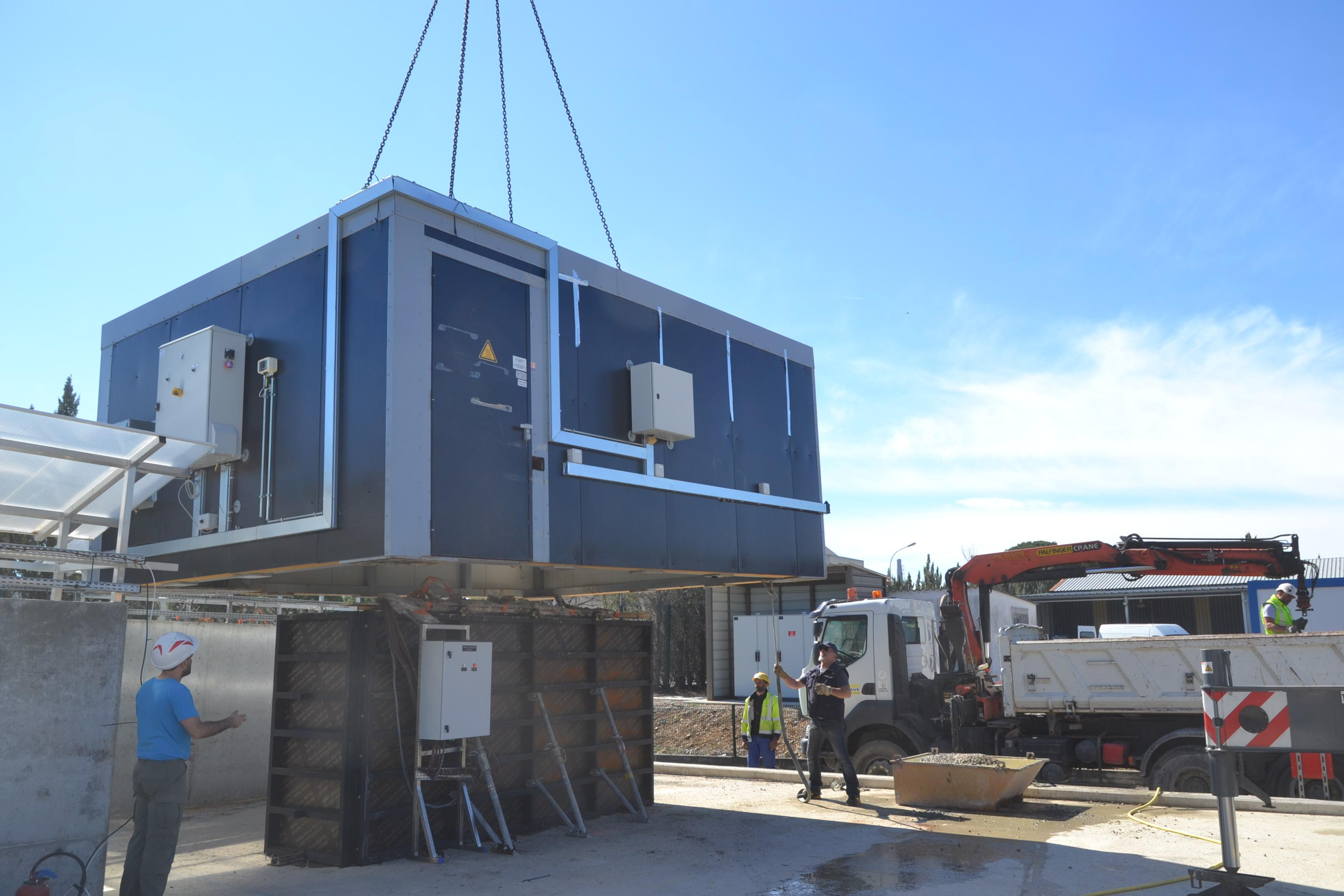
- Thermal heating device to experimentally delayed ettringite during the early age or to accelerated ageing in steam specific condition;
- Managing the effluents generated by accelerated ageing protocols (mineral-laden water);
- Dedicated laboratory to allow the ageing and measurement control of small-scale programs.
The first five blocks were cast in 2016. In 2026, 29 blocks with different dimensions up to 4 x 2 x 1 m3 have been cast with twin blocks, with and without steel reinforcement.
The experimental matrix consists of several concrete block configurations designed to investigate different degradation mechanisms and environmental conditions:
- Reference block without identified pathology.
- ASR blocks, dedicated to the study of Alkali–Silica Reaction (ASR), which results from the interaction between the highly alkaline cement pore solution and reactive silica contained in certain aggregates.
- DEF blocks, dedicated to the study of Delayed Ettringite Formation (DEF), a thermally activated degradation mechanism occurring within the cement paste following exposure to elevated temperatures.
- Geological disposal facility blocks, dedicated to assessing the effects of highly saline groundwater representative of deep geological disposal environments.
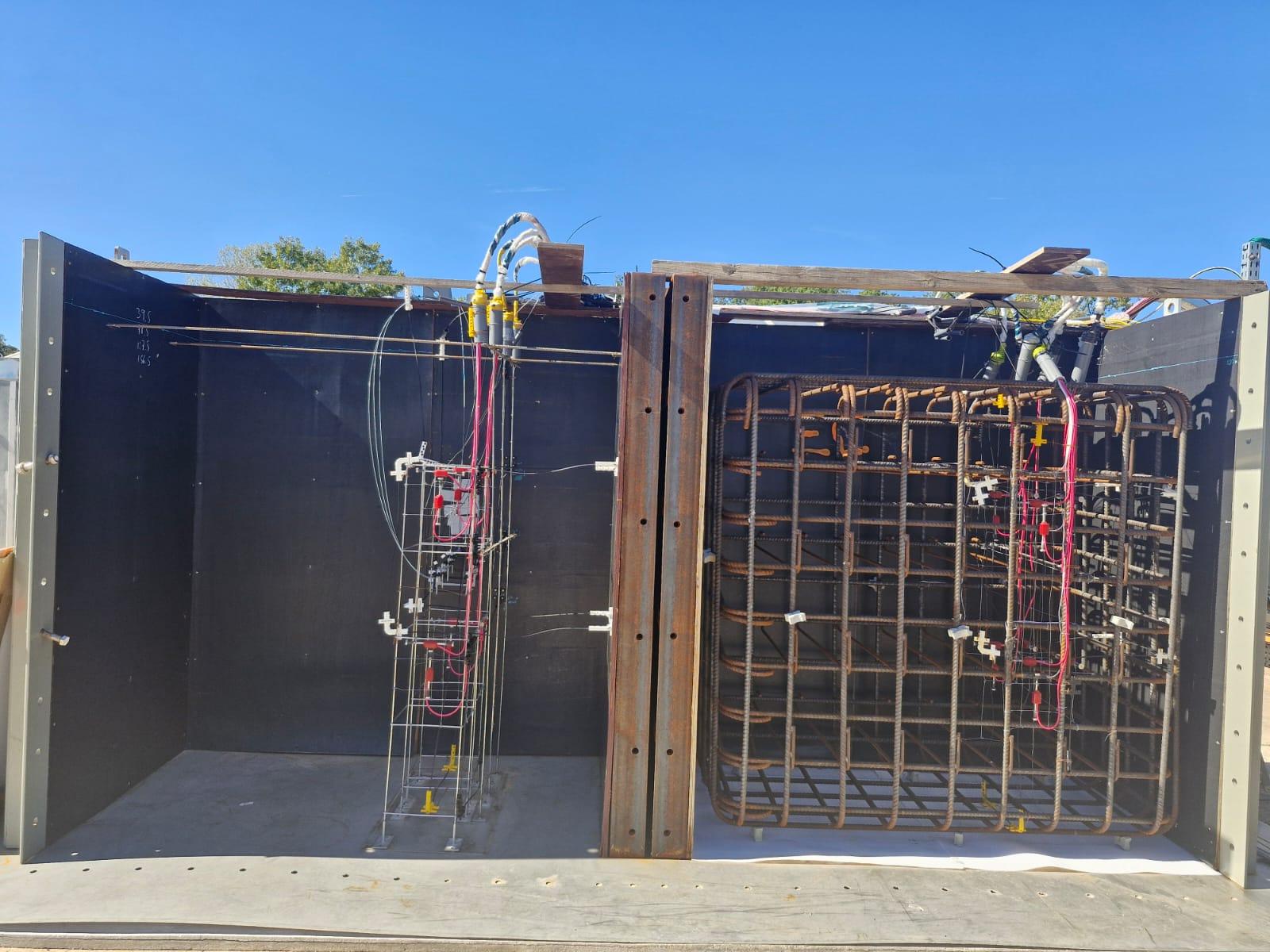
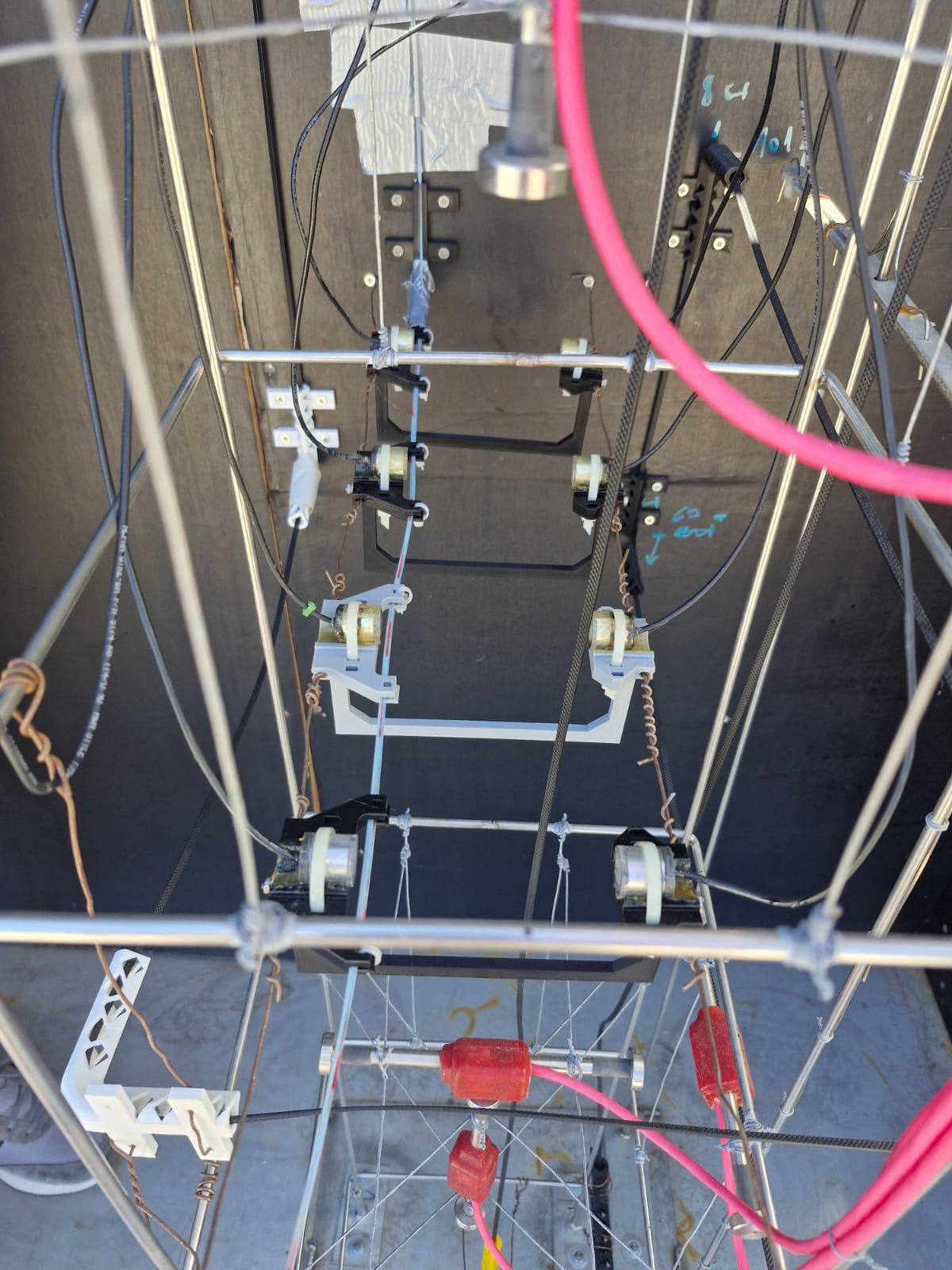
The concrete blocks used for the ODOBA project are extensively instrumented in order to obtain various types of data, such as, temperature, humidity, deformation, mechanical stress measurements within the concrete and/or steel reinforcement. The blocks periodically undergo non-destructive and destructive testing to assess changes to the mechanical, physical, micro-structural and chemical properties of the concrete linked with the occurrence and development of pathologies.
Given the kinetics of these phenomena, the Internal Swelling Reactions investigation will continue to monitor the evolution of the ODOBA blocks and related experiments on cylindrical samples. Data are needed to develop, calibrate, and validate models for DEF and ASR based on experimental results. The observatory dedicated to concrete ageing induced by internal swelling reactions has been established and will continue beyond 2027. This long-term dataset provides a valuable basis for developing, validating, and improving predictive tools to assess the long-term evolution and durability of concrete structures.